2026-07-21
The Role of Intermittent Fasting in Weight Management
Explore intermittent fasting (IF) as a popular method for weight control and overall health. Learn about different IF approaches, how it aids weight loss, and its additional health benefits, along with potential risks and tips for starting.
Hello, this is Dr. J.
Today, we will explore methods for weight loss, specifically intermittent fasting.

Intermittent fasting (IF), sometimes referred to as intermittent ‘starvation’,
is emerging as a popular method for weight control and overall health improvement.
While traditional diets primarily focus on what you eat,
intermittent fasting places more emphasis on when you eat.
This method has garnered significant attention due to its simplicity and potential benefits, but
what exactly does it mean, and how effective is it for weight management?
▶ What is Intermittent Fasting? ◀
Intermittent fasting involves periodically alternating between periods of eating and fasting.
Here are some popular approaches:
The 16/8 Method
→ Fast for 16 hours each day and consume food within an 8-hour window.
The 5:2 Method
→ Eat normally for 5 days a week, and on the remaining 2 days, reduce calorie intake to approximately 500-600 calories.
Alternate-Day Fasting
→ Eat normally one day, then either completely fast or consume minimal calories the next day.
24-Hour Fast
→ Fast for 24 hours once or twice a week.
Each method offers a degree of flexibility, making it accessible to various individuals.
▶ Why Intermittent Fasting Helps with Weight Loss! ◀
Calorie Reduction:
By restricting eating times, many people naturally reduce their overall calorie intake.
Improved Insulin Sensitivity:
Fasting periods lower insulin levels, making it easier for the body to utilize stored fat for energy.
Metabolism Boost:
Studies suggest that short-term fasting can increase levels of norepinephrine, a hormone that promotes fat burning.
Appetite Control:
Fasting can help regulate hunger hormones like ghrelin and leptin, which can reduce overeating or impulsive snacking.
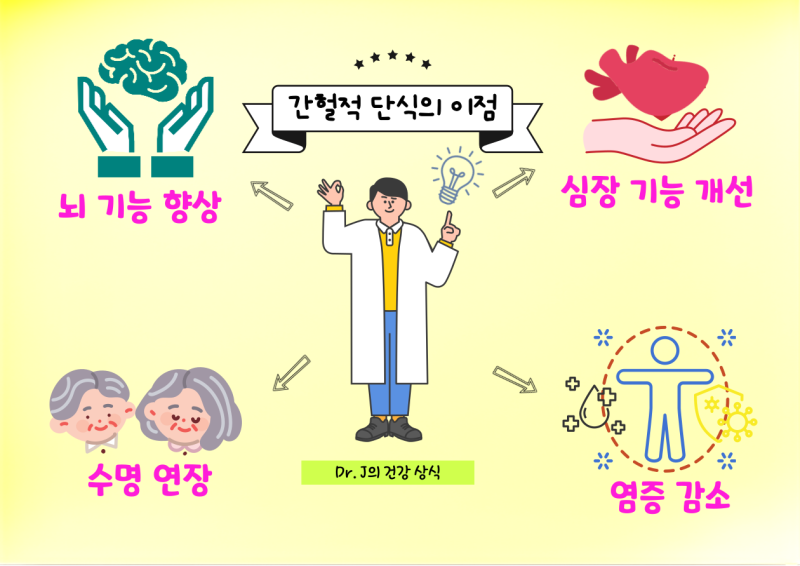
★ Other Health Benefits of Intermittent Fasting ★
Beyond weight control, intermittent fasting offers various health benefits:
Improved Heart Health:
Fasting can help lower risk factors such as cholesterol, triglycerides, and blood pressure.
Enhanced Brain Function:
Research indicates that fasting can promote brain cell growth and improve cognitive function.
Reduced Inflammation:
Fasting helps lower levels of inflammatory markers in the body.
Increased Longevity:
Animal studies suggest that fasting can promote cellular repair processes like autophagy, potentially extending lifespan.
! Potential Drawbacks and Risks !
Intermittent fasting is not beneficial for everyone.
Some individuals may experience side effects such as:
▷ Increased hunger and irritability during fasting periods.
▷ Difficulty sustaining this method long-term.
▷ Risk of nutrient deficiencies if not planned properly.
Furthermore, it is not recommended for the following groups:
▷ Pregnant or breastfeeding women.
▷ Individuals with a history of eating disorders.
▷ People with medical conditions such as diabetes or low blood pressure (without supervision from a medical professional).

※ Tips for Starting Intermittent Fasting ※
Choose a method that fits your lifestyle:
Consider your schedule and select a fasting method that aligns with it.
Stay hydrated:
Drink plenty of water, herbal tea, or black coffee during fasting periods to stay hydrated.
Eat nutritious foods:
During eating windows, prioritize whole, unprocessed foods to meet your nutritional needs.
Start gradually:
Gradually increase your fasting periods to allow your body to adapt.
Listen to your body's response:
Pay close attention to how your body reacts and adjust as needed.
♣ Concluding Thoughts ♣
When implemented correctly, intermittent fasting can be a powerful tool for weight management and overall health improvement.
☆ However, it is not a one-size-fits-all solution ☆
It is essential to consult with a healthcare professional or nutritionist before starting, especially if you have underlying health conditions.
By embracing this method thoughtfully, many people can not only lose weight but also
develop a healthier relationship with food and their bodies.
Frequently Asked Questions
What is intermittent fasting?
Intermittent fasting is an eating pattern that involves periodically alternating between periods of eating and fasting. Unlike traditional diets that focus on what you eat, intermittent fasting places more emphasis on when you eat.
What are the different methods of intermittent fasting?
Yes, there are several popular approaches. These include the 16/8 method, where you fast for 16 hours daily and eat within an 8-hour window; the 5:2 method, where you restrict calories for 2 days a week; alternate-day fasting, where you eat normally one day and fast the next; and the 24-hour fast, done once or twice a week.
How does intermittent fasting help with weight loss?
Intermittent fasting aids weight loss through calorie reduction, improved insulin sensitivity, boosted metabolism, and appetite control. Limiting eating times naturally reduces calorie intake, and lower insulin levels help burn fat.
What are the health benefits of intermittent fasting?
Beyond weight control, it offers various health benefits. It can help improve heart health, enhance brain function, and reduce inflammation. Animal studies also suggest the possibility of increased longevity.
Are there people who should avoid intermittent fasting?
Yes, it is not beneficial for everyone. Pregnant or breastfeeding women, individuals with a history of eating disorders, and those with medical conditions such as diabetes or low blood pressure should not start without supervision from a medical professional.
What should I keep in mind when starting intermittent fasting?
Yes, there are a few tips. Choose a method that suits your lifestyle, stay well-hydrated during fasting periods, and consume nutritious foods during your eating windows. It's also important to start gradually and listen to your body's reactions.