2026-07-21
5 Key Healthy Lifestyle Changes for Managing Hyperlipidemia
Learn five essential lifestyle changes to manage hyperlipidemia, including dietary adjustments, regular exercise, weight management, avoiding smoking and limiting alcohol, and stress/sleep management.
Hello, this is Dr. J.
Today, I'd like to share how to manage 'hyperlipidemia,' a condition that can affect anyone, through lifestyle changes.
Hyperlipidemia is a condition where cholesterol and triglyceride levels in the blood are elevated,
and it is a major risk factor for cardiovascular diseases such as heart attacks and strokes.
While medication can help manage lipid levels,
adopting a healthy lifestyle is key to both prevention and treatment.
Here are five major lifestyle changes you can implement to manage hyperlipidemia.
1. Adopt a Heart-Healthy Diet
Diet is a crucial factor in managing lipid levels.
Try to maintain the following diet:
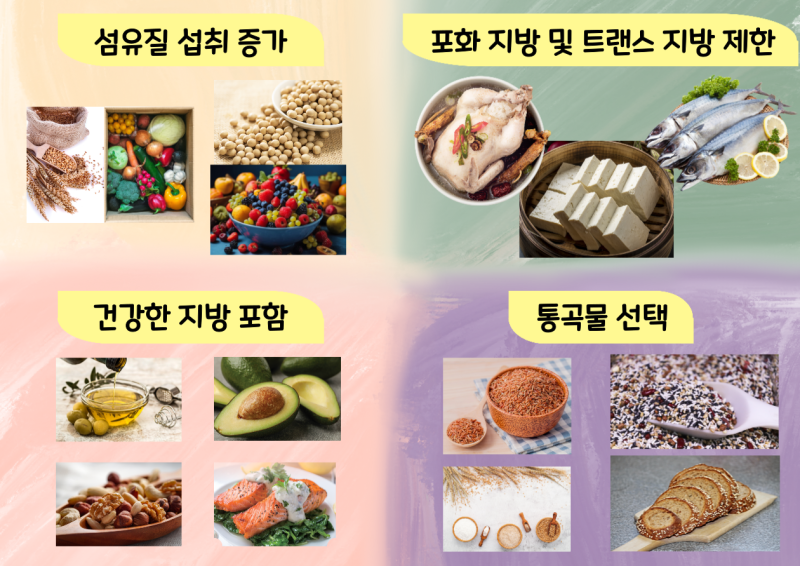
Increase Fiber Intake
Consume more soluble fiber found in barley, legumes, fruits, and vegetables.
Soluble fiber helps reduce LDL (low-density lipoprotein) cholesterol by removing cholesterol from the digestive tract.
Limit Saturated and Trans Fats
Replace foods high in saturated fat, such as beef and high-fat dairy products, with healthier alternatives like chicken, fish, and plant-based proteins.
Completely avoid trans fats, which are often found in fried foods and processed snacks.
Include Healthy Fats
Consume monounsaturated and polyunsaturated fats found in olive oil, avocados, nuts, seeds, and fatty fish like salmon and mackerel.
These fats help increase HDL (high-density lipoprotein) cholesterol, the ‘good’ cholesterol.
Choose Whole Grains
Swap refined grains for whole-grain alternatives like brown rice, multi-grain rice, and whole-wheat bread to stabilize blood sugar levels and improve your lipid profile.
2. Engage in Regular Physical Activity
Exercise significantly impacts cholesterol levels and overall cardiovascular health.
Aim for the following:
Aerobic Exercise
Perform moderate-intensity activities like walking, jogging, swimming, or cycling for at least 150 minutes per week.
Aerobic exercise helps improve HDL levels and reduce LDL cholesterol and triglycerides.
Strength Training
Include strength training exercises at least twice a week to boost your metabolism and support heart health.
Active Lifestyle
Increase daily physical activity by taking the stairs, walking during breaks, and gardening.

3. Maintain a Healthy Weight
Excess weight, especially abdominal fat, is associated with high LDL cholesterol and triglycerides, and low HDL cholesterol.
Achieving and maintaining a healthy weight can significantly improve your lipid profile.
Set Realistic Goals
Aim for gradual weight loss of 0.5 to 1 kg per week by creating a calorie deficit through diet and exercise.
4. Quit Smoking and Limit Alcohol Intake
Quit Smoking
Smoking reduces HDL cholesterol and damages blood vessels, increasing the risk of cardiovascular disease.
Quitting smoking can improve HDL levels and overall cardiovascular health within weeks.
Moderate Alcohol Consumption
Excessive alcohol intake can raise triglyceride levels and contribute to weight gain.
Limit consumption to one drink per day for women and two drinks per day for men.
5. Manage Stress and Sleep
Chronic stress and lack of sleep can negatively impact lipid levels and heart health.
Stress Management
Practice stress-reduction techniques such as meditation, deep breathing exercises, yoga, and mindfulness.
Engaging in hobbies or spending time with loved ones can also lower stress levels.
Prioritize Sleep
Aim for 7-9 hours of quality sleep each night.
Sleep deprivation is linked to an increased risk of hyperlipidemia and obesity.
▶Conclusion◀
Hyperlipidemia is a manageable condition,
and adopting these five lifestyle changes can significantly improve your lipid profile and reduce the risk of cardiovascular disease.
While these changes require effort, their value in maintaining long-term health is immense.
Consult with a healthcare professional for personalized advice and support regarding these lifestyle changes.
Frequently Asked Questions
What is hyperlipidemia?
Hyperlipidemia refers to a condition where cholesterol and triglyceride levels in the blood are abnormally high. This can be a major risk factor for cardiovascular diseases such as heart attack or stroke.
What is a good diet for managing hyperlipidemia?
Yes, a heart-healthy diet is important. It is recommended to increase fiber intake, limit saturated and trans fats, include healthy fats such as olive oil, avocados, nuts, and fish, and choose whole grains.
How should I exercise to manage hyperlipidemia?
Regular physical activity is necessary. Engaging in moderate-intensity aerobic exercise such as walking, jogging, or swimming for at least 150 minutes per week, and combining it with strength training at least twice a week, can help improve cholesterol levels.
How does smoking affect hyperlipidemia?
Smoking decreases HDL cholesterol levels and damages blood vessels, increasing the risk of cardiovascular disease. Quitting smoking can improve HDL levels and overall cardiovascular health within weeks.
Is it okay to drink alcohol while managing hyperlipidemia?
Excessive alcohol consumption can raise triglyceride levels and contribute to weight gain, so it is best to limit it. It is recommended to limit alcohol to one drink per day for women and two drinks per day for men.
Are stress and sleep management important for hyperlipidemia?
Yes, chronic stress and lack of sleep can negatively affect lipid levels and heart health. It is important to manage stress through meditation, yoga, etc., and get 7-9 hours of quality sleep every night.