2026-07-21
The Ideal Attractive Face Shape and Appearance for Koreans: A Plastic Surgeon's Perspective
This article explores the ideal facial aesthetics for Koreans from a plastic surgeon's viewpoint, covering the 'V-line' face, golden ratio, symmetry, skin quality, and the trend towards natural looks.
Hello. This is Dr. J.
Today, I'd like to discuss what I, as a plastic surgeon, consider to be the ideal appearance for Koreans.
When discussing beauty, aesthetic standards vary across cultures and are influenced by history, trends, and personal preferences.
In Korea, too, the criteria for an ideal face have evolved over time, guided by cultural standards and a deep appreciation for harmony, symmetry, and balance.
From a plastic surgeon's perspective, I will discuss the elements that define Korean beauty and why certain face shapes are considered more attractive.
1. The ‘V-line’ Face Shape
One of the most recognized aesthetic ideals in Korea is the ‘V-line’ facial contour.
This refers to a distinct jawline that gently tapers to a pointed chin.
The V-line is often associated with femininity, youth, and elegance.
Many people seek to achieve this look through surgical or non-surgical treatments, such as square jaw reduction surgery, genioplasty, or non-invasive methods like Botox injections to slim the jaw muscles.
The appeal of the V-line lies in its ability to create a balanced and refined profile, enhancing overall facial harmony.
While particularly emphasized in the beauty standards for Korean women, a softer, less pronounced V-contour is often preferred by Korean men as well.

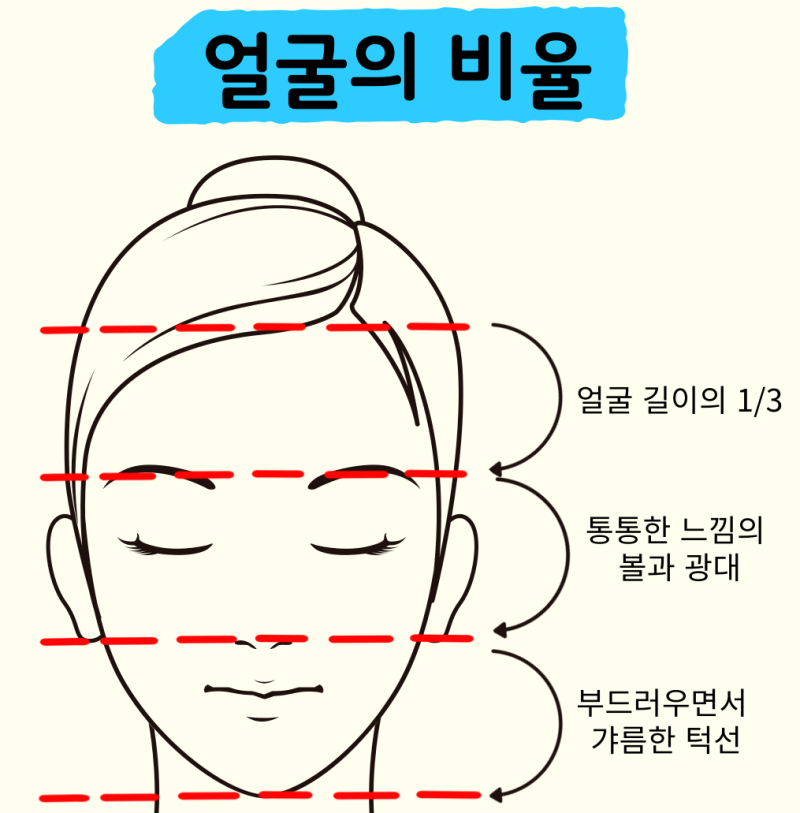
2. The ‘Golden Ratio’ of Facial Proportions
The concept of the ‘golden ratio’ has been widely applied to assess beauty across various cultures, and it holds significant meaning in Korean aesthetics.
The ideal Korean face is often described as having balanced proportions.
Forehead
Typically occupies one-third of the face's length, with a soft, curved hairline adding to its gentleness.
Mid-face
A balanced mid-face features prominent yet natural cheekbones that provide dimension without overwhelming the face.
Plump, youthful-looking cheeks that convey vitality are often preferred.
Lower face
The lower one-third of the face is defined by a slender jawline and a chin that complements the overall face shape.
While an angular jawline might be ideal for men, women often seek a softer impression.
To achieve ideal proportions, procedures such as rhinoplasty, facial contouring (jaw surgery), or forehead surgery may be necessary, depending on the patient's needs.
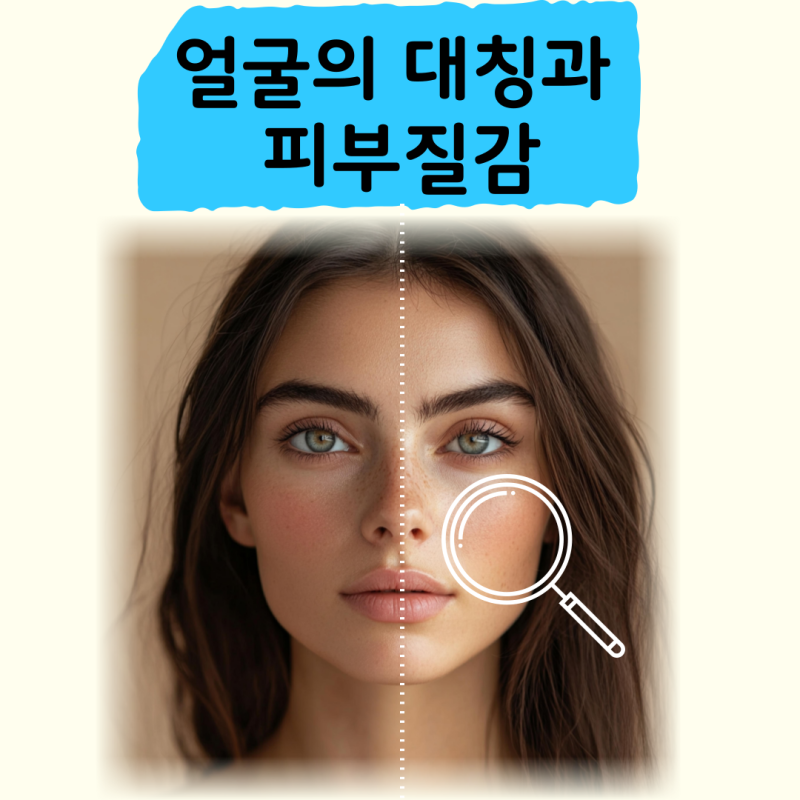
3. Symmetry and Skin Texture
Facial symmetry plays a crucial role in perceived attractiveness.
While no face is perfectly symmetrical, a well-balanced left and right side of the face is often associated with beauty.
In Korea, surgical techniques like orthognathic surgery are often performed to correct asymmetry and improve facial harmony.
Beyond symmetry, skin quality is a cornerstone of beauty.
Clear, bright, and even-toned skin is highly desirable, reflecting health and youth.
Advanced skin treatments such as Revlite laser therapy, ASCE+ Exosomes, Filorga Skin Booster, and Corege 2.0 care are gaining popularity for creating radiant and vibrant skin,
often complementing the effects of surgical enhancements.
4. The ‘Natural’ Look
There is a growing trend in Korea towards pursuing a ‘natural’ aesthetic.
Patients often desire subtle enhancements that improve their features while preserving their individuality.
Procedures like rhinoplasty or eyelid surgery are performed with a focus on creating natural-looking results rather than dramatic changes.
This approach aligns with the belief that true beauty lies in enhancing one's unique characteristics rather than conforming entirely to a standard mold.
5. The Role of Cultural and Media Influence
K-pop idols and Korean actors have significantly influenced modern beauty standards.
Their facial features, including smooth skin, balanced facial structures, and youthful appearances, have become a benchmark for many.
However, these standards also emphasize the importance of balance, as overly exaggerated features are not considered attractive in Korean aesthetics.
6. Balancing Beauty and Functionality
Korean plastic surgeons often emphasize the importance of maintaining functionality alongside aesthetics.
For example, double eyelid surgery or rhinoplasty are designed to improve appearance without compromising natural facial expressions or functions like breathing.
7. A Personalized Approach to Beauty
While cultural ideals provide a framework for understanding attractiveness,
every individual possesses unique characteristics that contribute to their beauty.
A skilled plastic surgeon evaluates the patient's facial structure and recommends treatments tailored to their needs and goals, ensuring harmonious and natural results.
▶Conclusion◀
The ideal Korean face shape is a complex reflection of tradition, cultural influences, and modern aesthetic trends.
From the iconic V-line face shape to the pursuit of facial symmetry and radiant skin,
Korean beauty standards emphasize harmony, subtlety, and refinement.
As plastic surgery and advanced skincare continue to evolve,
the focus remains on enhancing natural beauty while respecting individual uniqueness.
Whether through surgery or non-invasive treatments, the ultimate goal is to create results that instill confidence and happiness in every patient.
Frequently Asked Questions
What is the ideal face shape preferred by Koreans?
The ideal face shape preferred by Koreans is the ‘V-line’ facial contour. This refers to a distinct jawline that gently tapers to a pointed chin, and it is considered attractive, associated with femininity, youth, and elegance.
What methods are available to achieve a V-line face shape?
Methods to achieve a V-line face shape include surgical treatments such as square jaw reduction surgery and genioplasty. Non-invasive methods like Botox injections to slim the jaw muscles can also be used to achieve this look.
How is the golden ratio of the face defined?
The golden ratio of the face refers to the forehead, mid-face, and lower face each occupying one-third of the face's length. The forehead is defined by a soft curve, the mid-face by natural cheekbones and plump cheeks, and the lower face by a slender jawline and chin.
What are the standards for beautiful skin in Korea?
The standards for beautiful skin in Korea are clear, bright, and even-toned skin. This is highly desirable, reflecting health and youth, and can be managed with treatments such as Revlite laser, ASCE+ Exosomes, Filorga Skin Booster, and Corege 2.0 care.
What is the recent trend in plastic surgery in Korea?
The recent trend in plastic surgery in Korea is towards pursuing a ‘natural’ look. Patients prefer subtle changes that enhance their features while preserving their individuality, with an emphasis on creating natural-looking results rather than dramatic changes.
How do plastic surgeons emphasize the balance between beauty and functionality?
Plastic surgeons emphasize the importance of maintaining functionality alongside aesthetics. For example, double eyelid surgery or rhinoplasty are designed to improve appearance without compromising natural facial expressions or functions like breathing.