2026-07-21
Good and Bad Foods to Start Your Day
Discover the best and worst foods for breakfast to boost energy, focus, and overall health. Learn how to make smarter choices for a balanced morning meal.
Hello. This is Dr. J.
Today's topic is food eaten in the morning. Let's find out about good and bad foods to eat for breakfast.
Breakfast is often considered the most important meal of the day.
The foods you choose for breakfast can impact your energy levels, concentration, and overall health throughout the day. However, not all breakfasts are created equal.
Let's explore good and bad foods for breakfast to help you make smarter choices.
________________________________________________________________________________
Good Foods for Breakfast
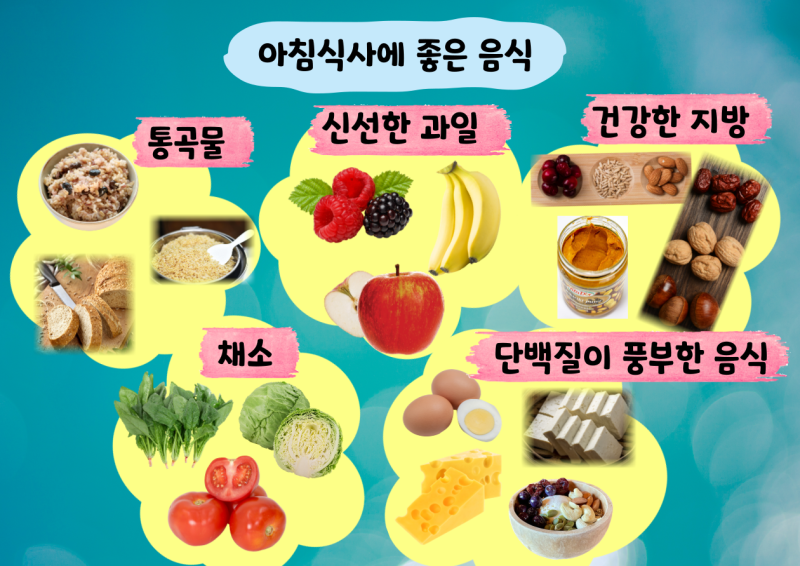
1. Whole Grains
o Examples
Multi-grain rice, brown rice, whole-grain bread.
o Benefits
Whole grains are rich in fiber, which helps you feel full and aids digestion.
They also provide stable energy without causing a rapid spike in blood sugar levels.
2. Protein-Rich Foods
o Examples
Eggs, Greek yogurt, cheese, tofu.
o Benefits
Protein helps you feel satiated and aids in muscle repair and growth.
It is also essential for maintaining energy levels throughout the morning.
3. Fresh Fruits
o Examples
Berries, bananas, oranges, apples.
o Benefits
Fruits are rich in vitamins, minerals, and antioxidants.
They also provide natural sugars for a quick energy boost without the subsequent energy crash.
4. Healthy Fats
o Examples
Nuts, seeds, peanut butter.
o Benefits
Healthy fats support brain function and help keep you feeling full.
They also aid in the absorption of fat-soluble vitamins from other foods.
5. Vegetables
o Examples
Spinach, tomatoes, cabbage.
o Benefits
Adding vegetables to your breakfast can increase your fiber and nutrient intake.
They are low in calories but rich in vitamins and minerals.
________________________________________________________________________________
Bad Foods for Breakfast
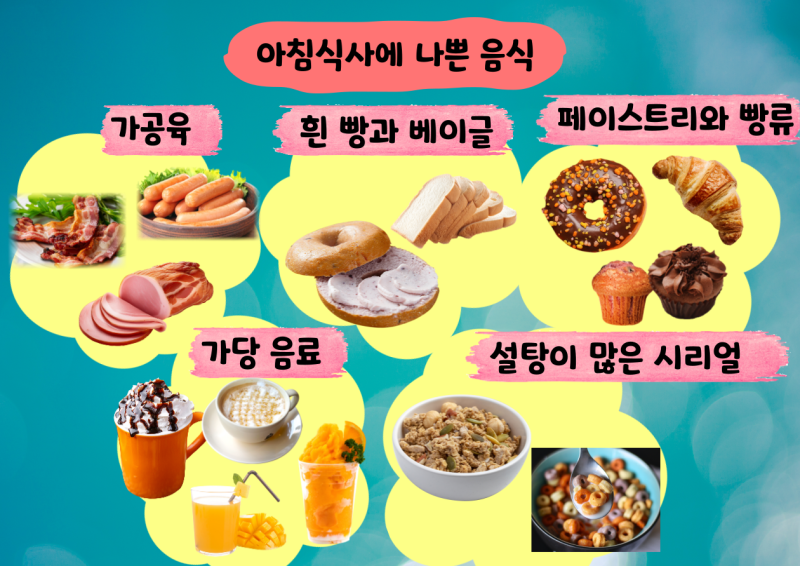
1. Sugary Cereals
o Why to avoid
Many cereals are high in added sugars and lack fiber and protein.
This can cause blood sugar levels to spike and then crash, leaving you tired and hungry.
2. Pastries and Baked Goods
o Examples
Doughnuts, croissants, muffins.
o Why to avoid
These foods are high in refined carbohydrates, sugar, and unhealthy fats.
They are high in calories but offer little nutritional value.
3. Processed Meats
o Examples
Bacon, sausage, ham.
o Why to avoid
Processed meats are high in saturated fat, sodium, and preservatives, which can increase the risk of heart disease and other health problems.
4. Sugary Drinks
o Examples
Flavored coffee drinks, sugar-added juices.
o Why to avoid
These beverages can contain more sugar than desserts and contribute to weight gain and energy crashes.
5. White Bread and Bagels
o Why to avoid
Made from refined flour, these foods lack fiber and nutrients.
They cause blood sugar levels to spike and then crash, leaving you feeling sluggish.
________________________________________________________________________________
Tips for a Balanced Breakfast
1. Combination of Protein, Healthy Fats, and Complex Carbohydrates
o Example: Whole-grain toast topped with avocado and a boiled egg, served with fresh fruit.
2. Limit Added Sugars
o Use natural sweeteners like honey or maple syrup in moderation, or add sweetness with fresh fruit.
3. Plan Ahead
o Prepare whole-grain ingredients, vegetables, and boiled eggs in advance to save time and make healthier choices.
4. Stay Hydrated
o Rehydrate your body with a glass of water or herbal tea after waking up.
_________________________________________________________________________________________________________
Breakfast is a precious meal that can change your daily health in the short term,
and the quality of your life in the long term.
It's not just about eating, but about eating good food well!
Start your day strong.
Frequently Asked Questions
What are good foods for breakfast?
Good foods for breakfast include whole grains, protein-rich foods, fresh fruits, healthy fats, and vegetables. These foods help you stay full, provide stable energy, and replenish vitamins and minerals.
What foods should I avoid for breakfast?
Foods to avoid for breakfast include sugary cereals, pastries and breads, processed meats, sugary drinks, and white bread and bagels. These foods can cause a rapid rise in blood sugar and have low nutritional value, leading to fatigue and hunger.
Why are whole grains good for breakfast?
Yes, whole grains are good for breakfast. They are rich in fiber, which helps you feel full longer and aids digestion. They also have the advantage of providing stable energy throughout the day without causing a rapid spike in blood sugar levels.
Is protein intake important for breakfast?
Yes, protein intake is important for breakfast. Protein helps you feel full and aids in muscle repair and growth. It is also an essential nutrient for maintaining stable energy levels throughout the morning.
Are there any tips for a balanced breakfast?
Yes, there are tips for a balanced breakfast. It is good to combine protein, healthy fats, and complex carbohydrates, limit added sugars, plan and prepare in advance, and rehydrate with water or herbal tea after waking up.