2026-07-21
Facial Anti-Aging: The Secret to Maintaining a Youthful Look Through the Importance of Cheekbone Height
The cheekbone area acts as a structural support against sagging and wrinkles. Its height is crucial for maintaining a youthful appearance, especially in East Asians due to unique anatomical and lifestyle factors.

Hello,
This is Cheongdam SNU Plastic Surgery Clinic.
In the process of facial aging,
✨the malar (cheekbone) area
serves as a structural support
to prevent skin sagging and wrinkle formation.
As we age, bone resorption occurs in the maxilla and
the inferior orbital rim,
leading to a decrease in cheekbone prominence.
This, in turn, makes cheek sagging and nasolabial folds
more pronounced.
East Asians tend to look younger
compared to other ethnicities,
which is related to various factors such as
an antioxidant-rich diet, the amount of fat in the cheekbone area,
dermal thickness, and melanin content.
The Importance of Cheekbone Height
🌟 Midface Skeletal Changes
As aging progresses, the maxilla (cheekbone area) and
adjacent bones gradually resorb,
leading to midface flattening.
During this process, cheekbone prominence decreases,
and the fat pads below the cheeks shift downwards,
deepening the nasolabial folds.

🌟 Role in Aesthetic Perspective
Appropriately prominent cheekbones provide
natural volume to the central part of the face,
maintaining a convex curve.
This shape is associated with
less visible wrinkles and
a younger-looking impression.
Midface projection softens the facial silhouette,
contributing to overall attractiveness.
The Secret to East Asians Looking Younger
🌟 Skeletal and Soft Tissue Characteristics
While East Asians generally have a relatively flat midface,
they possess abundant fat in the cheekbone area,
which gives a naturally rounded impression.
The thickness of the cheekbone fat layer and subcutaneous fat
significantly mitigates the visual changes caused by bone resorption.

🌟 Skin Structure and Photoaging Resistance
East Asian skin has a thick dermis and high collagen density,
resulting in relatively fewer wrinkles and less sagging.
Furthermore, higher melanin content provides natural protection from UV rays,
slowing down the progression of photoaging.
🌟 Lifestyle and Cultural Factors
Traditional East Asian diets include foods rich in antioxidants,
such as green and yellow vegetables and legumes,
which help inhibit skin aging.
There is also a high awareness of UV protection,
with active use of SPF products, hats, parasols, gloves, and other physical barriers.
Combined with this is a systematic skincare routine
that includes Vitamin C, retinoids,
and highly moisturizing essences,
maintaining a healthy dermal layer.
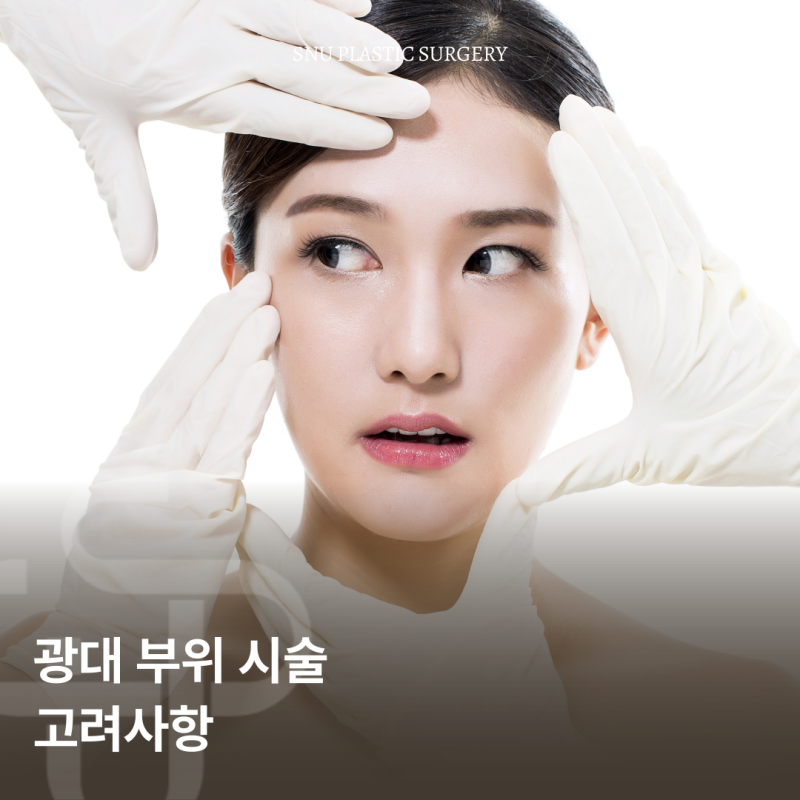
Considerations for Cheekbone Procedures
🌟 Importance of Accurate Diagnosis
For midface improvement,
it is necessary to comprehensively evaluate
skeletal changes, fat loss,
and the degree of skin sagging.
A customized approach tailored to each individual's facial structure and aging process is required.
🌟 Customized Volume Restoration
Fillers, autologous fat grafting, and implants
can be used to naturally restore
decreased cheekbone prominence.
This helps strengthen the midface support structure
and improve skin sagging.
🌟 Skin Elasticity Enhancement
Laser treatments that promote collagen production,
microneedling, and polylactic acid (PLLA) treatments
strengthen the dermal layer to compensate for superficial sagging.
🌟 Consideration of Ethnic Characteristics
For East Asians,
the position and size of the cheekbones must be carefully planned
to maintain natural facial proportions.
The goal should be a harmonious facial contour rather than an artificial look.
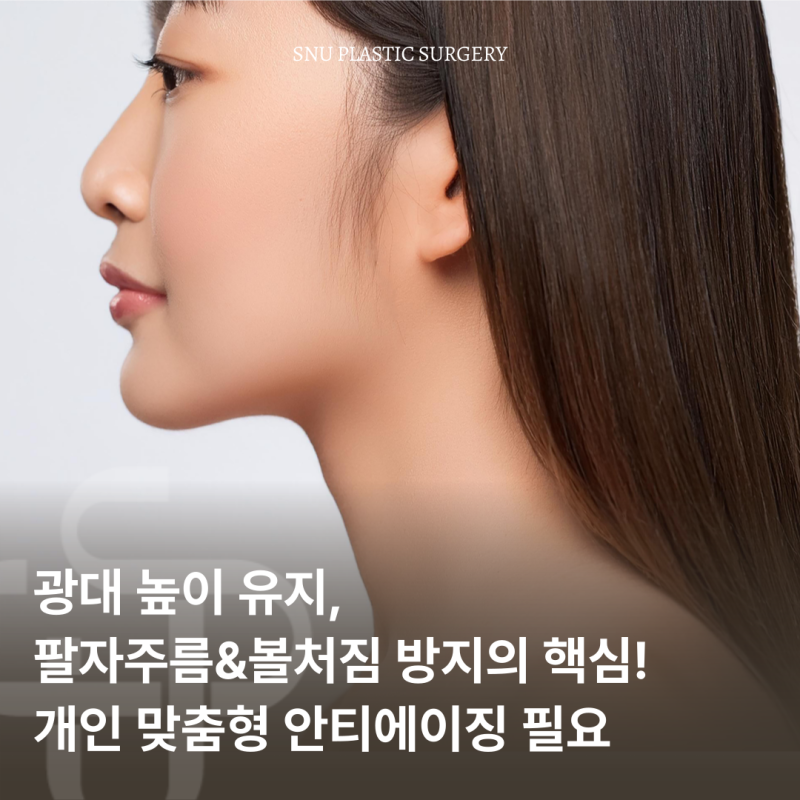
Comparing the facial aging patterns
of East Asians and Westerners
reveals that differences in anatomical structure
and lifestyle habits
influence the aging process.
A customized approach that comprehensively considers
an individual's facial structure, skin characteristics, and living environment
can be said to be the foundation of effective anti-aging management.
Based on this understanding,
it is important to choose the appropriate management method
for each individual.
✔️ Homepage
✔️ KakaoTalk Channel (Click image below to move)

Frequently Asked Questions
Why is the cheekbone area important for facial aging?
Yes, the cheekbone area is very important for facial aging because it acts as a structural support to prevent skin sagging and wrinkle formation. As we age, a decrease in cheekbone prominence makes cheek sagging and nasolabial folds more pronounced.
What is the secret to East Asians looking younger?
There are several secrets to East Asians looking younger. An antioxidant-rich diet, abundant fat in the cheekbone area, thick dermal layer, high melanin content, and habits of UV protection and systematic skincare all combine to slow down the aging process.
How does cheekbone height affect facial aging?
Cheekbone height significantly affects facial aging. As aging progresses, bone resorption in the maxilla and adjacent bones reduces cheekbone prominence, leading to midface flattening, and the downward shift of fat pads below the cheeks deepens nasolabial folds.
What procedures can restore decreased cheekbone volume?
Yes, procedures to restore decreased cheekbone volume include fillers, autologous fat grafting, and implants. These procedures help strengthen the midface support structure, improve skin sagging, and restore natural volume.
What should be considered when undergoing a cheekbone procedure?
Accurate diagnosis is paramount when considering a cheekbone procedure. A customized approach is needed, based on a comprehensive evaluation of individual skeletal changes, fat loss, and degree of skin sagging. For East Asians, careful planning is required to maintain natural facial proportions.