2026-07-21
Cheongdam Ptosis Correction, Recovery Time After Eye Surgery for Eyelid Correction
Learn about the recovery process and changes after ptosis correction and eyelid surgery at Cheongdam SNU Plastic Surgery Clinic. Understand the muscle adaptation, scar remodeling, and nerve adjustments that occur over 3-4 months for natural results.
Hello,
This is Cheongdam SNU Plastic Surgery Clinic.
Today, we will inform you about the changes and considerations that occur during the recovery period after ptosis correction and eyelid surgery.
Among eye surgeries,
ptosis correction is a procedure that many people are particularly interested in.
This surgery corrects droopy eyelids, helping to reduce eye fatigue and secure clear vision.
However, please note that sufficient recovery time is needed to achieve natural results after surgery :)

👀 Ptosis Surgery: The Muscle Adaptation Process
Ptosis correction surgery
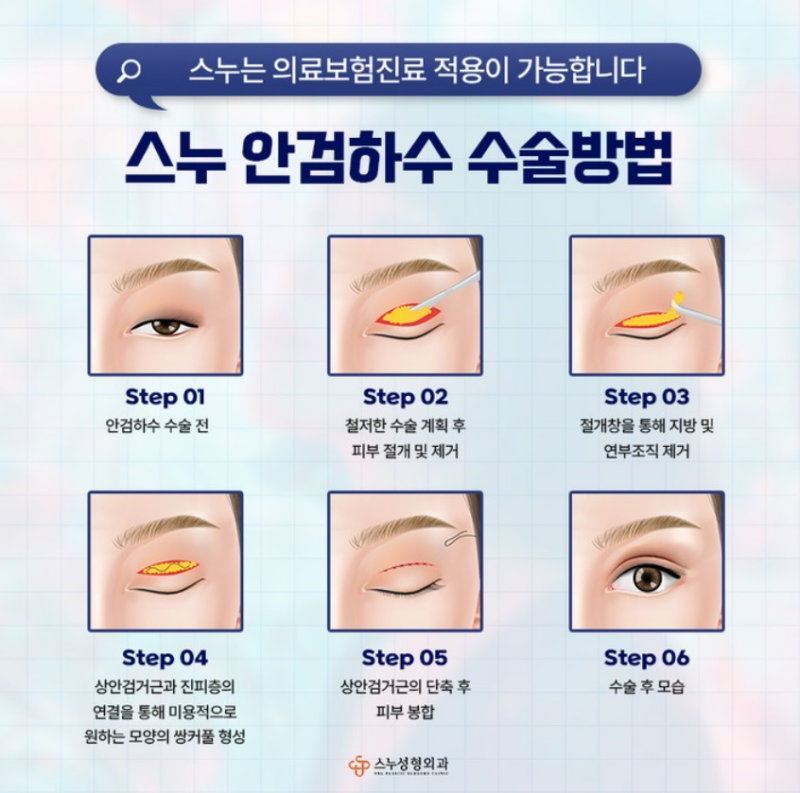
is not simply about adjusting the levator palpebrae superioris muscle and its aponeurosis.
This process affects the entire muscle system around the eye.
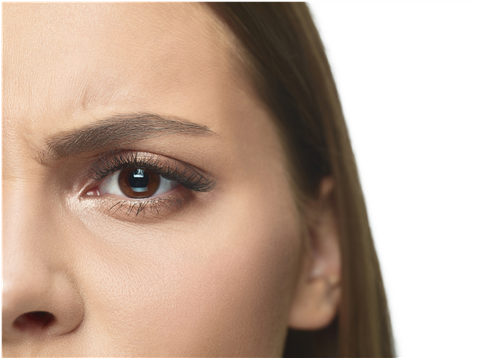
Antagonistic muscles such as the orbicularis oculi, corrugator supercilii, and procerus muscles, which are responsible for lowering the eyelid, also undergo a process of finding a new balance after surgery.
Immediately after surgery,
ideal results may appear, but as the muscles adapt to their new position, the shape of the eyelid gradually changes✨
This muscle adaptation process varies from person to person, but it requires at least 3-4 months of observation.
🔎 Changes During Recovery Time
After ptosis correction surgery,
various physiological changes occur during the recovery period, including muscle activation and adaptation.
🌟 Muscle Balance Adjustment
The levator palpebrae superioris and surrounding antagonistic muscles adapt to balance each other in their new positions.
🌟 Scar Remodeling
Initial swelling and scar tissue mature and change over time. Scars require more time for observation.
🌟 Nerve Adaptation
The neural connections between the brain and facial muscles are also readjusted to match the new eyelid position.
During the recovery period after surgery,
one can often become sensitive to subtle changes in the eyelids.
However, instead of making hasty judgments at this time, it is important to observe the progress for at least 3-4 months🙏🏻
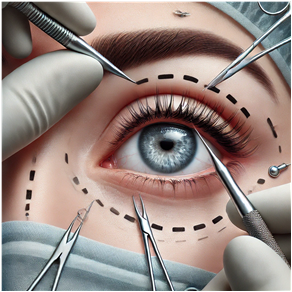
The final outcome of eyelid surgery is determined not only by the surgical technique itself but also by how the muscle system achieves a new balance afterward.
⚠️ Advice for Recovery Time
To facilitate a smooth recovery process after ptosis surgery, consider the following:
🌟Follow your doctor's instructions, get adequate rest, and reduce eye fatigue.
🌟Monitor changes in your eyelids together through regular follow-up observations.
🌟Avoid excessive massage or stimulation that could interfere with the muscle adaptation process.
After surgery,
observe the progress for at least 3-4 months, and if necessary, it is good to finely adjust the crease height!
Ptosis correction is not a simple procedure; it is a surgery that affects the entire complex muscle system around the eye.
The process of patiently waiting during recovery is necessary for both the patient and the doctor.
This process helps prevent overcorrection or unnecessary reoperation and achieves natural results🙏🏻
SNU Plastic Surgery provides the most natural and sophisticated changes through customized diagnosis and delicate approaches that consider individual characteristics.
Reliable medical technology
A comfortable space to stay
The place that has perfected every detail,
That is SNU Plastic Surgery✨
✔️ Homepage
✔️ KakaoTalk Channel (Click image below to navigate)

Frequently Asked Questions
How long is the recovery period after ptosis surgery?
To achieve a final natural result after ptosis surgery, at least 3-4 months of observation is required. During this period, the muscles around the eyes adapt to their new position and gradually change.
What changes occur during the recovery period after surgery?
During the recovery period after surgery, various physiological changes occur, such as muscle balance adjustment, scar remodeling, and nerve adaptation. The levator palpebrae superioris and surrounding muscles achieve balance, scar tissue matures, and neural connections between the brain and facial muscles are readjusted.
What should I be careful about after ptosis surgery?
Yes, there are several precautions to ensure a smooth recovery process after surgery. You should get adequate rest and reduce eye fatigue as instructed by your doctor. Additionally, it is advisable to monitor changes in your eyelids through regular follow-up observations and avoid excessive massage or stimulation.
Should I wait even if I don't like my eye shape immediately after surgery?
Yes, while ideal results may appear immediately after surgery, the shape of the eyelids gradually changes as the muscles adapt to their new position. Therefore, instead of making hasty judgments at this time, it is important to observe the progress for at least 3-4 months.
Which muscles are affected by ptosis surgery?
Ptosis correction surgery is not simply about adjusting the levator palpebrae superioris muscle and its aponeurosis. This process affects the entire muscle system around the eye, and antagonistic muscles such as the orbicularis oculi, corrugator supercilii, and procerus muscles, which are responsible for lowering the eyelid, also undergo a process of finding a new balance.