2026-07-21
Pros and Cons of Intravenous Stem Cell Injections
Intravenous stem cell injections offer a non-invasive approach to regenerative medicine, targeting various conditions. This article explores their benefits, such as systemic effects and anti-inflammatory properties, alongside drawbacks like uncertain long-term efficacy, high costs, and regulatory concerns.
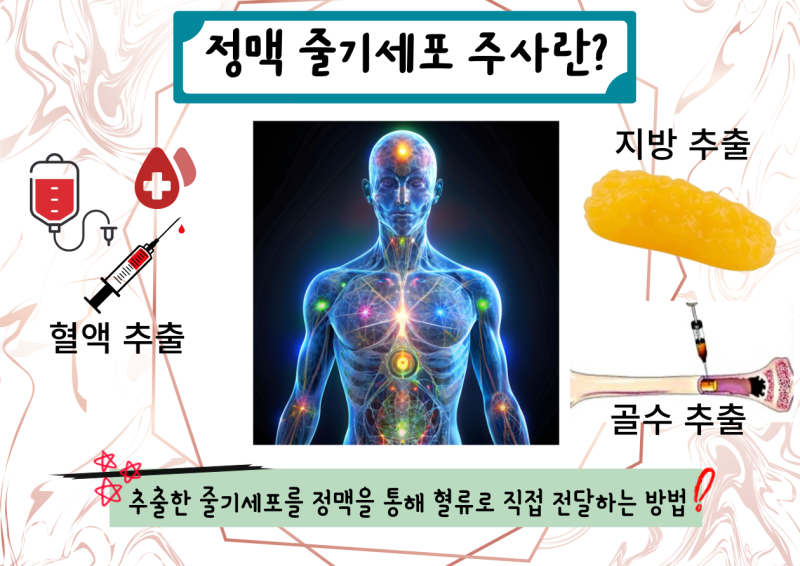
Stem cell therapy has recently garnered significant attention as an innovative approach in regenerative medicine. Among the various methods of administering stem cells, intravenous (IV) injection has emerged as a popular choice. While this treatment offers promising benefits, a careful consideration of its pros and cons is essential for making an informed decision.
What are Intravenous Stem Cell Injections?
Intravenous stem cell injections involve delivering stem cells directly into the bloodstream via a vein.
These stem cells typically originate from bone marrow, umbilical cord, blood, or adipose tissue,
and possess the ★potential to repair and regenerate damaged tissues in the body★.
This method is less invasive compared to surgical procedures,
allowing stem cells to migrate systemically to areas of inflammation or damage.
Advantages of Intravenous Stem Cell Injections
Non-Invasive Procedure
Unlike surgical interventions, IV stem cell therapy requires no incisions, reducing the risk of infection and recovery time.
Systemic Effects
Stem cells delivered intravenously travel throughout the body,
allowing them to target multiple areas of inflammation or damage simultaneously.
Broad Range of Applications
IV injections are versatile and used for various conditions, including autoimmune diseases, neurological disorders, and chronic inflammation.
Anti-Inflammatory and Immunomodulatory Effects
Mesenchymal stem cells (MSCs), in particular, have shown the ability to reduce inflammation and modulate immune responses,
providing relief in conditions like rheumatoid arthritis and multiple sclerosis.
Short Procedure Time
The entire process typically completes within a few hours, and patients can often resume their daily activities shortly thereafter.
Potential for Pain Reduction
Many patients report reduced pain in conditions such as osteoarthritis and fibromyalgia after treatment.
Disadvantages of Intravenous Stem Cell Injections
Limited Targeted Delivery
When stem cells are delivered intravenously, there is no guarantee that a sufficient number will reach the damaged site;
some may become trapped in the lungs or other organs.
Uncertainty of Long-Term Effects
Research on the long-term safety and efficacy of IV stem cell injections is still ongoing,
with limited data available on potential long-term risks.
High Cost
Stem cell therapy is expensive, and IV treatment sessions often cost tens of millions of Korean Won.
This treatment is rarely covered by insurance.
Regulatory and Ethical Concerns
Not all stem cell therapies are approved by regulatory bodies such as the KFDA (Korea Food and Drug Administration).
Some clinics may offer unproven or experimental treatments without proper oversight, posing risks to patients.
Risk of Side Effects
Although rare, there is a possibility of side effects such as infection, allergic reactions, or immune responses to the injected cells.
Variability of Results
Treatment outcomes can vary significantly depending on various factors, including the type of stem cells used, the patient's condition, and the quality of the treatment.
Key Considerations Before Opting for Intravenous Stem Cell Therapy
Consult with Qualified Professionals
→Consultations should be conducted by a licensed and experienced medical team.
Verify the Source of Stem Cells
→Stem cells should be obtained from reliable and ethical sources.
Check Regulatory Status
→Confirm whether the treatment is approved in your region or considered experimental.
Have Realistic Expectations
→While promising, stem cell therapy is not a guaranteed cure and should be approached with caution.
◀Conclusion▶
Intravenous stem cell injections represent an exciting frontier in medicine, offering potential benefits for various health issues. However, this treatment also comes with risks and uncertainties.
By carefully considering the pros and cons and seeking advice from medical professionals,
patients can determine whether this innovative therapy is suitable for them.
As research continues to advance, the future of stem cell therapy will undoubtedly become even brighter.
Frequently Asked Questions
What are intravenous stem cell injections?
Intravenous stem cell injections are a treatment method that delivers stem cells directly into the bloodstream via a vein. These stem cells have the potential to repair and regenerate damaged tissues in the body and typically originate from bone marrow, umbilical cord, blood, or adipose tissue.
What are the advantages of intravenous stem cell injections?
Intravenous stem cell injections are a non-invasive procedure that does not require surgery, thus reducing the risk of infection and recovery time. Additionally, stem cells can travel systemically to target multiple areas of inflammation or damage simultaneously, and the procedure time is short with a potential for pain reduction.
What are the disadvantages of intravenous stem cell injections?
With intravenous stem cell injections, there is a possibility that stem cells may not sufficiently reach the damaged area, and research on long-term effects and safety is still ongoing. Furthermore, the cost is very high, insurance coverage is often difficult, and there are regulatory, ethical concerns, and risks of side effects.
What should be considered before intravenous stem cell therapy?
Before choosing intravenous stem cell therapy, it is essential to consult with a qualified medical professional. It is important to verify that the source of stem cells is reliable, confirm whether the treatment is approved in your region, and have realistic expectations about the treatment outcomes.
What conditions can intravenous stem cell injections be applied to?
Intravenous stem cell injections can be applied to a wide range of conditions, including autoimmune diseases, neurological disorders, and chronic inflammation. Mesenchymal stem cells (MSCs), in particular, can reduce inflammation and modulate immune responses, providing relief in conditions such as rheumatoid arthritis and multiple sclerosis.
Is intravenous stem cell therapy expensive?
Yes, intravenous stem cell therapy tends to be expensive. Treatment sessions can often cost tens of millions of Korean Won, and this treatment is rarely covered by health insurance, so the financial burden should be considered.