2026-07-21
Precautions for Skin Procedures While Taking Isotretinoin
Learn about the necessary precautions for various skin procedures while taking isotretinoin, including recommended waiting periods and post-procedure care.

Hello,
This is Cheongdam SNU Plastic Surgery Clinic.
Today,
we will discuss
precautions for skin procedures
while taking isotretinoin.
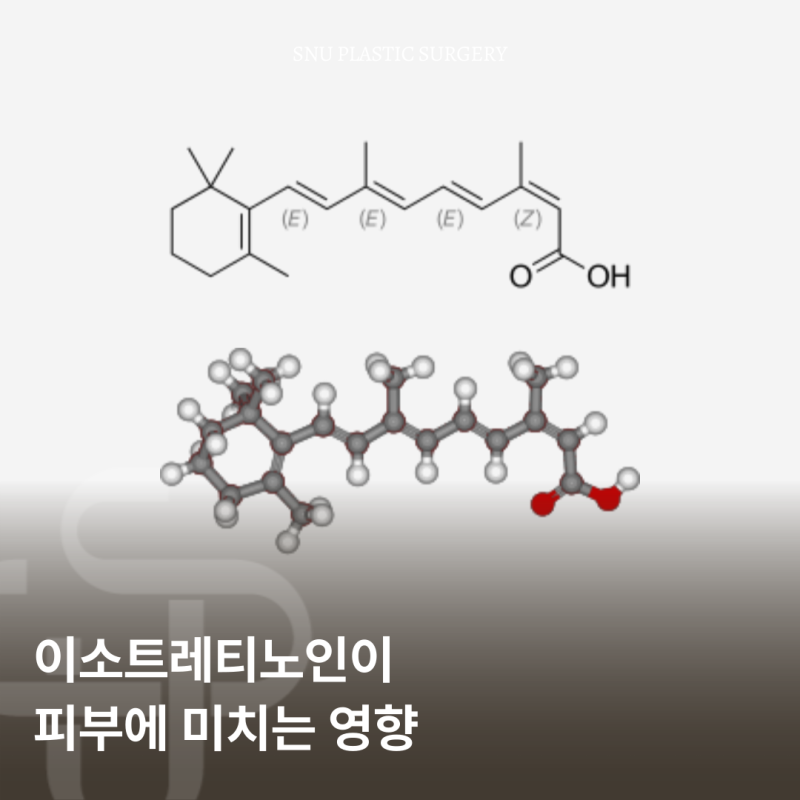
Isotretinoin
is an effective medication for acne treatment that
suppresses sebaceous gland activity and
affects the skin's regeneration process.
Due to these effects,
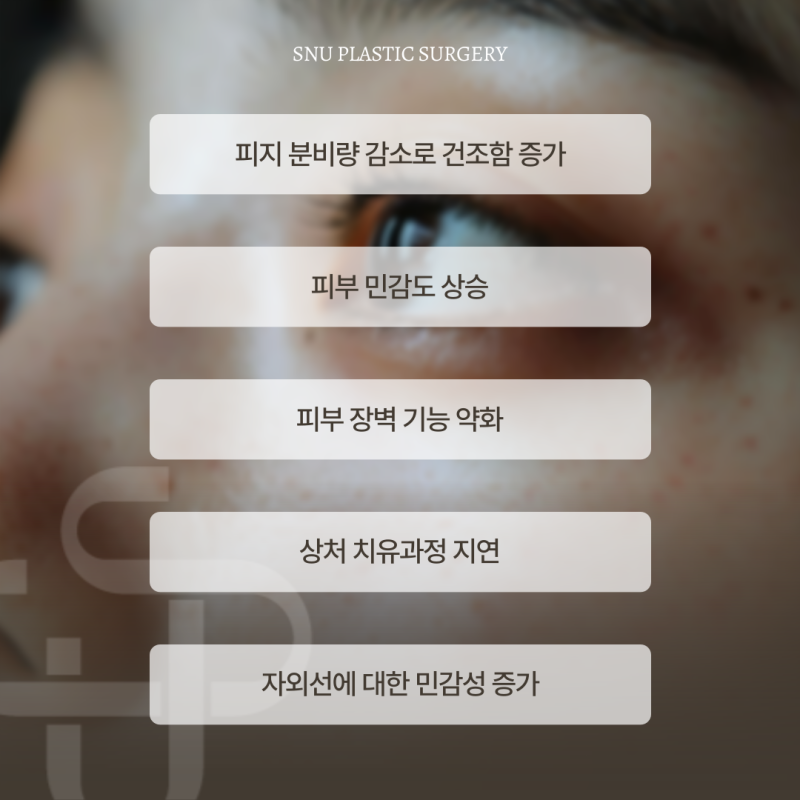
the skin can become dry and sensitive,
and its barrier function may weaken.
Therefore, caution is required
when undergoing various skin procedures.
Effects of Isotretinoin on the Skin
When taking isotretinoin, the skin undergoes
the following changes:
Due to these changes, there is a higher possibility of
delayed recovery or unwanted reactions
after procedures.
Precautions by Procedure Type
📌 Ultherapy (Ultrasound Lifting)
Precautions
While taking isotretinoin,
the skin thins, which can increase discomfort,
bruising, swelling, and the risk of skin damage
during Ultherapy.
Recommended Waiting Period
It is advisable to consider the procedure approximately 6 months
after discontinuing the medication.
📌 Thermage (Radiofrequency Lifting)
Precautions
When radiofrequency energy is applied to heat-sensitive skin,
skin redness, pigment changes, and
skin damage may occur.
Recommended Waiting Period
Consider undergoing the procedure at least 6 months
after discontinuing the medication.
📌 Needle RF (Microneedle Radiofrequency)
Precautions
This procedure causes microscopic skin damage,
and while taking isotretinoin,
wound healing is delayed and
the risk of infection increases.
Recommended Waiting Period
It is appropriate to plan the procedure 6 months
after discontinuing the medication.
📌 Laser Procedures (Fraxel, IPL, etc.)
Precautions
When skin regeneration ability is reduced,
the likelihood of post-laser hyperpigmentation or
scar formation increases.
Recommended Waiting Period
It is best to undergo the procedure at least
6 months after completing the medication.

Pre/Post-Procedure Management
🌟 Before the Procedure
1) Be sure to inform your medical team about
your isotretinoin use history.
2) Allow sufficient time for your skin
to return to its normal state.
3) Make regular moisturizing and
sunscreen use a habit.
🌟 After the Procedure
1) Avoid using products that may irritate the skin.
2) Consistently moisturize to hydrate the skin.
3) Pay extra attention to sun protection.
4) Consider restarting isotretinoin only after
your skin has fully recovered.
Isotretinoin is
effective for treating acne,
but when considering skin procedures
during or after taking it,
you must choose carefully.
It is important to plan the procedure at an appropriate time
after consulting with a specialist, considering your skin condition
and recovery status.
Since the recommended waiting period may vary
depending on individual skin conditions,
please consult with a specialist before making a decision.
✔️ Website
✔️ KakaoTalk Channel (Click image below to navigate)

Frequently Asked Questions
Can I undergo skin procedures while taking isotretinoin?
No, while taking isotretinoin, the skin becomes dry and sensitive, and its barrier function weakens, increasing the likelihood of delayed recovery or unwanted reactions after procedures. It is advisable to allow a sufficient waiting period after discontinuing the medication.
When can I have Ultherapy after discontinuing isotretinoin?
It is advisable to consider Ultherapy approximately 6 months after discontinuing isotretinoin. While on the medication, the skin thins, which can increase discomfort, bruising, swelling, and the risk of skin damage.
What should isotretinoin users be aware of when undergoing laser procedures?
Isotretinoin users have reduced skin regeneration ability, which increases the likelihood of post-laser hyperpigmentation or scar formation. It is best to undergo the procedure at least 6 months after completing the medication.
What should I tell my medical team before a skin procedure after taking isotretinoin?
Yes, you must inform your medical team about your isotretinoin use history. Additionally, you should allow sufficient time for your skin to return to its normal state and make regular moisturizing and sunscreen use a habit.
Is a waiting period also necessary for Thermage after discontinuing isotretinoin?
Yes, Thermage should also be considered at least 6 months after discontinuing isotretinoin. When radiofrequency energy is applied to heat-sensitive skin, skin redness, pigment changes, and skin damage may occur.
Can I restart isotretinoin after a skin procedure?
No, after a skin procedure, you should consider restarting isotretinoin only after your skin has fully recovered. After the procedure, avoid using products that may irritate the skin, and consistently moisturize and protect your skin from the sun.