2026-07-21
Aegyo-sal (Pretarsal Orbicularis Roll): Asian vs. Western Aesthetic Standards
Explore the aesthetic differences of aegyo-sal (pretarsal orbicularis roll) between Asian and Western beauty standards, its cultural significance, and modern trends.


Hello,
This is SNU Plastic Surgery Clinic in Cheongdam.
One of the anatomical features that plays a crucial role in defining the aesthetic elements of the eyes is the
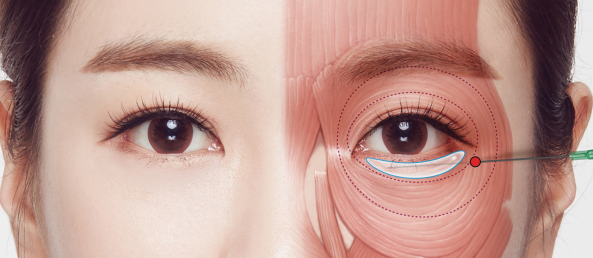
pretarsal orbicularis roll.
Today, we will explain the pretarsal orbicularis roll and examine the differences in aesthetic standards between Asia and the West.
🔎 Definition of Pretarsal Orbicularis Roll and Aegyo-sal
The pretarsal orbicularis roll is a feature commonly known as ‘aegyo-sal’ in Korea, referring to the muscle band located directly above the eyelid margin. It forms a subtle bulge that becomes visible when the eyes are open or half-closed.
‘Aegyo-sal’ is the Korean term for this muscle structure, where the protruding part under the eye becomes more prominent when smiling, enhancing the expressiveness of the eyes.✨
This feature, which becomes more noticeable when smiling, holds different aesthetic values in Asia and the West.

🪄 Significance in Asian Aesthetic Standards
In Asian cultures, aegyo-sal is considered important for the following reasons:
🌟 Lively Impression
Aegyo-sal adds fullness to the eyelids and creates appropriate volume under the eyes, giving a vibrant impression.
🌟 Cultural Aesthetic Value
Asian aesthetic standards emphasize harmony and naturalness. Aegyo-sal forms soft, rounded eyes, aligning with these values.
🌟 Cosmetic Procedure Approach
In Asian blepharoplasty, the pretarsal orbicularis roll is preserved or emphasized. Procedures such as filler injections or fat grafting are also commonly performed to create or enhance aegyo-sal.
🌟 Anti-Aging Aspect
If the volume of aegyo-sal decreases, the eyes can look tired, so maintaining it is considered a way to preserve a youthful appearance.

🪄 Differences in Western Aesthetic Standards
Western aesthetic perspectives are somewhat different:
🌟 Eyelid Crease Preference
In the West, a clear eyelid crease is preferred, and a prominent pretarsal orbicularis roll may be perceived as looking swollen.
🌟 Pursuit of Smooth Lower Eyelids
Western aesthetic standards idealize a smooth lower eyelid, and the volume of aegyo-sal can be mistaken for puffiness.
🌟 Procedure Approach
Western blepharoplasty primarily focuses on removing skin and fat to create a distinct upper eyelid and a smooth lower eyelid.

🌟 Cultural Exchange and Modern Trends
As aesthetic standards become globalized, the perception of the pretarsal orbicularis roll is also changing.
✨ Influence of K-Beauty
With the global popularity of K-Beauty, interest in the natural charm of aegyo-sal is increasing in the West as well.
✨ Personalized Approach
The modern cosmetic field emphasizes a personalized approach that considers cultural background and individual facial characteristics.
✨ Technological Advancement
The development of non-surgical procedures and sophisticated surgical techniques has made delicate adjustments possible to meet individual aesthetic goals.
The pretarsal orbicularis roll (aegyo-sal) is a good example of how cultural aesthetic standards shape perceptions of beauty.
It is important to choose a method that suits one's characteristics and aesthetic goals, and it is best to find the right direction through sufficient consultation with a specialist.
Beauty begins with small differences.
At SNU Plastic Surgery, we provide the most natural and sophisticated changes through customized diagnoses and delicate approaches that consider each individual's characteristics.✨
✔️ Homepage
✔️ KakaoTalk Channel (Click image below to move)


Frequently Asked Questions
What is aegyo-sal?
Aegyo-sal is a common term in Korea, referring to the pretarsal orbicularis roll, a muscle band located directly above the eyelid margin. It forms a subtle bulge when the eyes are open or half-closed, becoming more prominent when smiling and enhancing the expressiveness of the eyes.
What does aegyo-sal mean in Asia?
In Asian cultures, aegyo-sal gives a lively and vibrant impression, forming soft and rounded eyes that align with aesthetic values emphasizing harmony and naturalness. It is also considered a way to maintain a youthful appearance.
How is aegyo-sal viewed in the West?
In the West, a clear eyelid crease and smooth lower eyelids are ideally preferred. Therefore, a prominent pretarsal orbicularis roll may be perceived as looking swollen or mistaken for puffiness, and thus tends to be less favored.
Are there procedures to create aegyo-sal?
Yes, there are. In Asia, blepharoplasty methods that preserve or emphasize the pretarsal orbicularis roll are chosen, and procedures such as filler injections or fat grafting are commonly performed to create or enhance aegyo-sal.
Has K-Beauty influenced the perception of aegyo-sal?
Yes, it has. With the global popularity of K-Beauty, interest in the natural charm of aegyo-sal is increasing in the West as well. This is one of the changes occurring as aesthetic standards become globalized.
What should be considered when undergoing aegyo-sal procedures?
It is important to choose a method that suits one's characteristics and aesthetic goals. It is best to find the right direction through sufficient consultation with a specialist. The modern cosmetic field emphasizes a personalized approach.