2026-07-21
A Plastic Surgeon's Philosophy: Choosing Scarless Beauty
Dr. J from Cheongdam SNU Plastic Surgery discusses why surgical approaches are often not recommended for younger patients (20s-40s) and advocates for conservative, reversible treatments to preserve natural beauty and avoid irreversible scars and tissue damage.
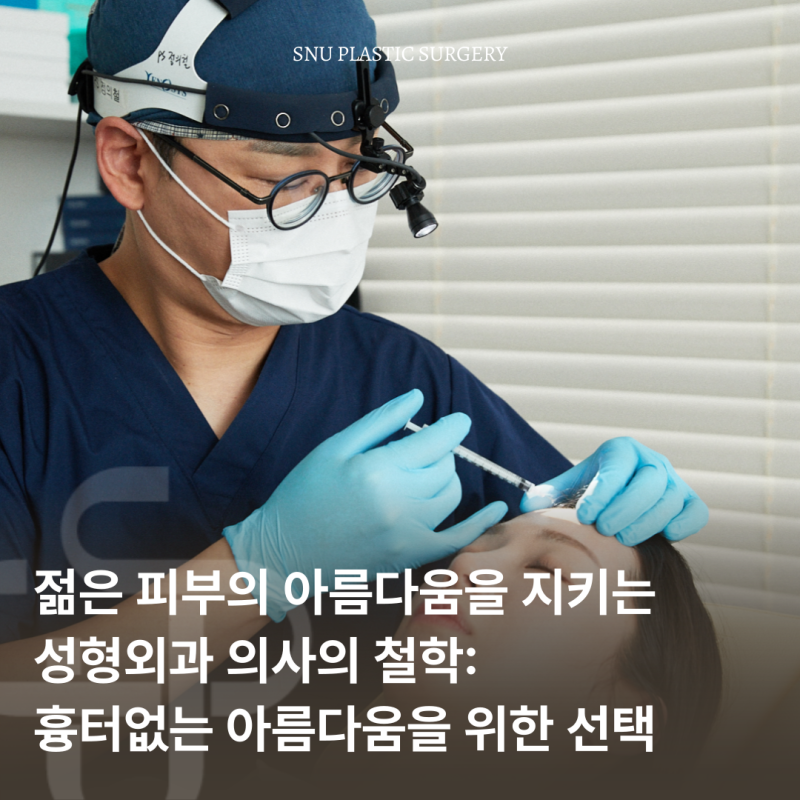

Hello,
This is Dr. J from Cheongdam SNU Plastic Surgery Clinic.
More and more young people are considering plastic surgery.
However, for skin in the 20s and 30s, a conservative approach is often more suitable than surgery.
A 1cm scar on the face is deeper than 10 years of life's traces.
Today, we will explore the criteria for choosing procedures and the approach that should be considered for younger age groups.
🌟 Why do I not recommend surgery for young patients?
The human body is incapable of perfect regeneration.
Surgery, while achieving its purpose, invariably leaves scar tissue.
Among my hundreds of facelift experiences,
even the most meticulous surgeries had an initial effect that lasted, on average, only 5 to 7 years.
Skin in the early 30s and 40s is beautiful enough with its natural elasticity and vitality.
We must consider whether the surgical benefits truly outweigh the scars left in front of the ears, on the scalp, and behind the ears.
For young patients,
procedures with reversibility as an advantage, which ‘leave room for choice’ rather than being a ‘point of no return,’ are safer.
The fancy results seen in advertisements are extremely rare cases where optimal conditions align with the doctor's skill,
and not everyone is guaranteed the same outcome.
🌟 The Hidden Cost of Surgery: Biomechanical Changes Caused by Scars
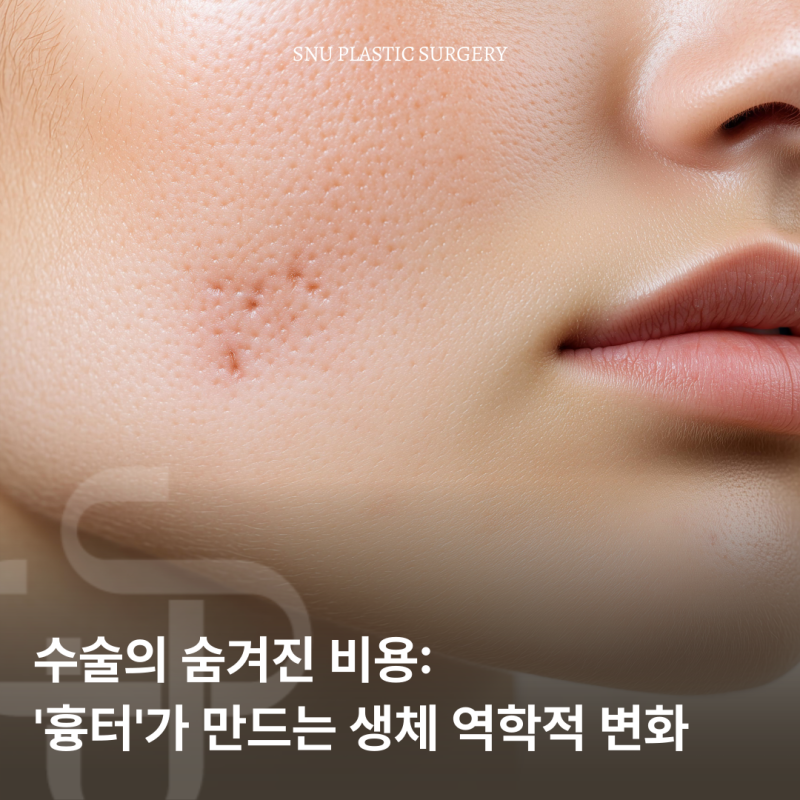
A scar is not just a mark.
Scar tissue destroys elastic fibers,
placing continuous stress on skin tension,
and tension imbalance can accelerate sagging in surrounding areas.
Furthermore, the loss of fine nerve fibers during the incision process is irreversible.
▼ Reality in Statistics ▼

🌟 3-Step Conservative Approach Recommended for Those in Their 30s and 40s
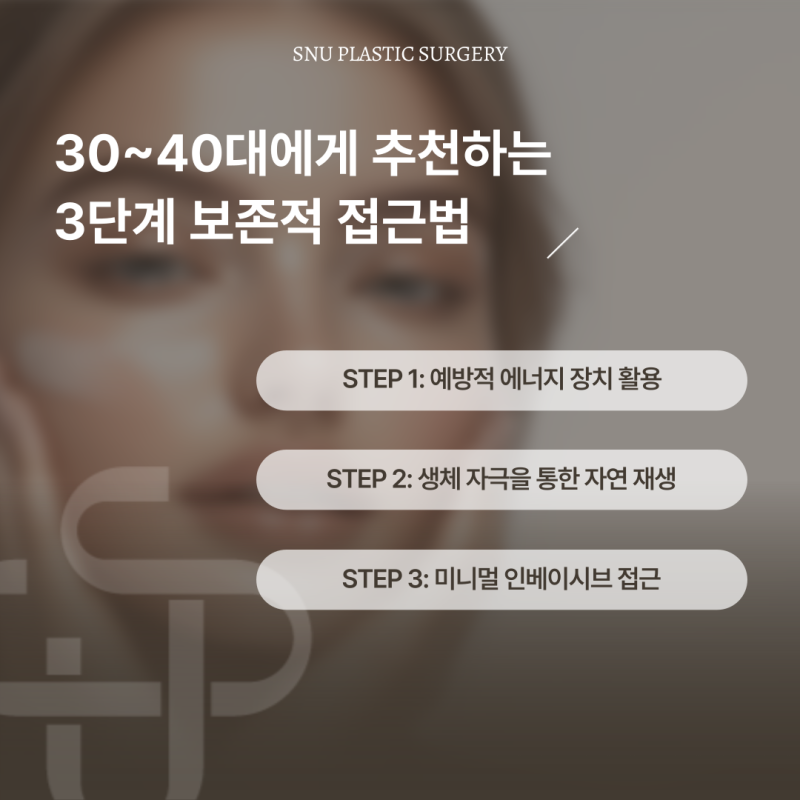
✨ STEP 1 ✨
Utilizing Preventive Energy Devices
- HIFU (Ultherapy):
Induces collagen remodeling without thermal damage to the SMAS layer,
providing a lifting effect for initial sagging.
(Maintenance with periodic treatments every 1-2 years)
✨ STEP 2 ✨
Natural Regeneration through Biostimulation
- Biostimulators:
(Sculptra, Juvelook, Hillowave)
Stimulate the skin's regenerative capacity to increase its own collagen.
The risk of complications is 30% lower than with surgery.
✨ STEP 3 ✨
Minimally Invasive Approach
- Thread Lift:
Provides temporary support to the SMAS (superficial musculoaponeurotic system) layer
and can be re-treated as it degrades within a year.
* Principle: Combine with appropriate support and treatments like HIFU, rather than ‘many threads at once.’
Unless you are over 40 or have severe sagging,
directly manipulating the SMAS layer with surgery offers insufficient benefits compared to the risks.
🌟 When Surgery is Truly Necessary vs. When It Should Be Avoided
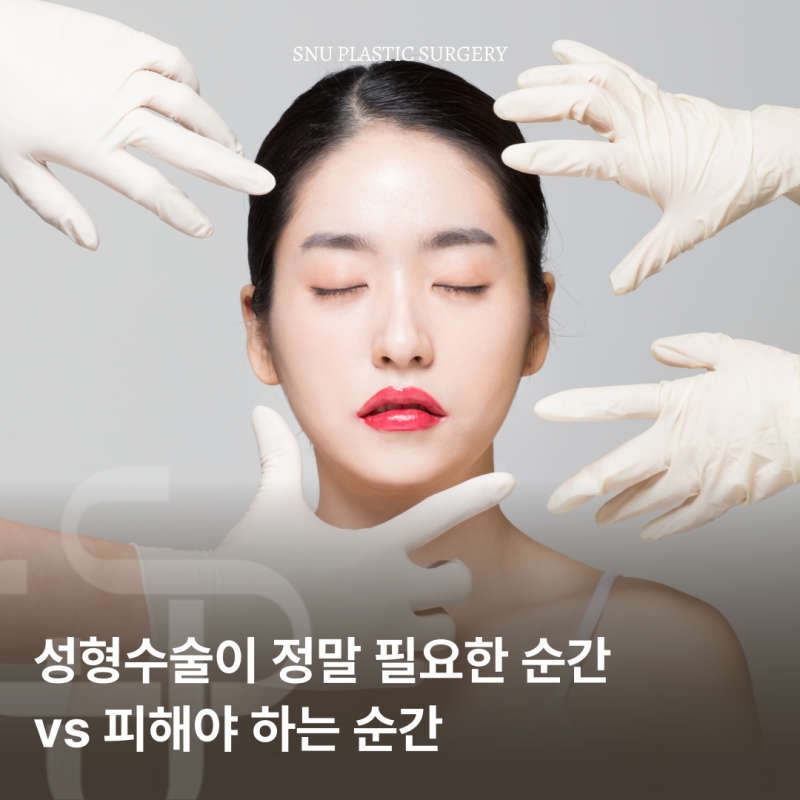
✅ Cases where surgery is recommended
1) For severe skin laxity after age 60,
reconstructive surgery of the SMAS layer (superficial musculoaponeurotic system) can provide improvement.
2) Structural issues such as congenital facial asymmetry or bone structure
have limitations in resolution through non-surgical procedures.
3) If SMAS layer elasticity has already been lost due to repeated procedure/surgery failures,
surgery is recommended.
❌ Cases requiring caution
1) For fine wrinkles in the early 30s to 40s,
improvement is possible with HIFU, biostimulators, and Botox.
2) If there is a history of indiscriminate injection procedures,
SMAS layer fibrosis increases the difficulty of surgery.
3) For those with perfectionist tendencies,
surgery cannot stop natural aging.
Once the SMAS layer (superficial musculoaponeurotic system) is damaged,
it is irreversible.
The younger you are, the more you should preserve this asset.
🌟 3 Insights to Share with Your Doctor
1. ‘Permanent results’ are a myth.
Neither surgery nor procedures can triumph over aging and gravity,
so maintenance is essential.
2. Skin is vulnerable to ‘cumulative damage.’
Repeated procedures/surgeries can cause fibrosis and weakening of the SMAS layer.
3. Beauty is ‘balance.’
Consider the unseen costs such as scars, nerve damage, and changes in facial expression.
Young skin is already a finished work of art.
How much of it truly needs to be carved and corrected with a knife?
Every time I perform surgery, I ask myself:
‘You might miss your current appearance 10 years from now.
Accumulate a record of care instead of scars.’

Surgery is the last card to play when you have ‘nothing left to lose.’
I propose a wise lifting approach that protects the precious SMAS layer of those in their 30s and 40s,
coexisting with organic beauty.
✔️ Homepage
✔️ KakaoTalk Channel (Click image below to navigate)